Top Tips for Catching Sharks and Redfish
- David Stump
- Apr 14
- 4 min read

Fishing is not just a hobby; it’s an adventure that connects you with nature and challenges your skills. Among the most thrilling catches are sharks and redfish, both of which offer unique experiences for anglers. Whether you are a seasoned fisherman or a beginner, knowing the right techniques and tips can significantly enhance your chances of landing these impressive species. In this post, we will explore essential strategies for catching sharks and redfish, ensuring you are well-prepared for your next fishing trip.

Understanding the Species
Sharks
Sharks are fascinating creatures that inhabit various waters, from coastal regions to deep seas. They are known for their strength and agility, making them a challenging catch. Here are some key points to consider:
Species Variety: Different shark species inhabit different environments. Common types include the blacktip shark, bull shark, and hammerhead shark. Each species has its own behavior and preferred habitats.
Feeding Habits: Sharks are opportunistic feeders. Understanding their feeding patterns can help you choose the right bait and fishing times. For instance, many sharks are more active during dawn and dusk.
Redfish
Redfish, also known as red drum, are popular among anglers due to their fighting spirit and delicious taste. Here’s what you need to know:
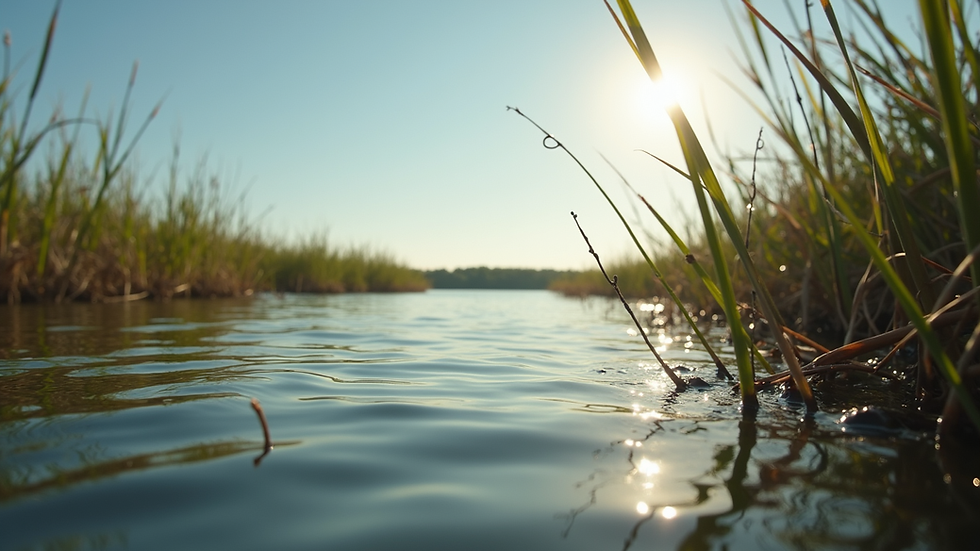
Habitat: Redfish are typically found in shallow coastal waters, estuaries, and bays. They prefer areas with structure, such as grass beds and mangroves.
Behavior: These fish are known for their schooling behavior. When you find one, there are likely more nearby. They are also known to be more active during warmer months.
Essential Gear for Shark and Redfish Fishing
Having the right gear is crucial for a successful fishing trip. Here’s a breakdown of what you’ll need:
Rod and Reel
Shark Fishing: Use a heavy-duty rod and reel capable of handling large fish. A conventional reel with a high gear ratio is ideal for quick retrieval.
Redfish Fishing: A medium to heavy spinning rod with a reel that has a smooth drag system works well. Look for a rod around 7 to 8 feet long for better casting distance.
Line and Leader
Line: For sharks, use a braided line with a test strength of at least 50-80 pounds. For redfish, a 20-30 pound test monofilament or braided line is sufficient.
Leader: A steel leader is essential for sharks to prevent bite-offs. For redfish, a fluorocarbon leader helps reduce visibility in the water.
Bait and Lures
Shark Bait: Fresh bait is key. Use chunks of fish, squid, or live bait like mullet. The scent will attract sharks from a distance.
Redfish Lures: Soft plastic lures, spoons, and topwater plugs are effective. Choose colors that mimic local baitfish.
Techniques for Catching Sharks
Location
Finding the right spot is crucial for shark fishing. Look for:
Nearshore Areas: Sharks often patrol nearshore waters, especially around structures like piers and reefs.
Tidal Changes: Fish during incoming or outgoing tides, as these conditions can increase shark activity.
Fishing Methods
Bottom Fishing: This method involves dropping your bait to the ocean floor. Use a heavy weight to keep your bait in place.
Drift Fishing: Allow your boat to drift while your bait is in the water. This method covers more area and can attract sharks.
Patience and Timing
Shark fishing requires patience. Be prepared to wait, as it may take time for sharks to find your bait. Early morning and late evening are often the best times to fish.
Techniques for Catching Redfish
Location
Finding redfish requires a keen eye for their preferred habitats:
Grass Flats: Look for shallow areas with grass, as redfish often feed here.
Mangroves and Docks: These structures provide shelter and food for redfish.
Fishing Methods
Sight Fishing: This technique involves spotting redfish in shallow waters and casting directly to them. It requires stealth and precision.
Drift Fishing: Similar to shark fishing, drift fishing can be effective for redfish, especially in deeper waters.
Timing and Conditions
Redfish are more active during warmer months. Fish during the early morning or late afternoon when temperatures are cooler. Overcast days can also be productive, as redfish tend to feed more actively.
Safety and Conservation
Safety Tips
Wear a Life Jacket: Always prioritize safety when fishing from a boat.
Be Aware of Weather Conditions: Check the weather forecast before heading out to avoid dangerous conditions.
Conservation Practices
Catch and Release: If you’re not planning to eat your catch, practice catch and release to help maintain fish populations.
Follow Local Regulations: Be aware of size and bag limits for both sharks and redfish in your area.
Conclusion
Catching sharks and redfish can be an exhilarating experience that combines skill, patience, and a bit of luck. By understanding the species, using the right gear, and employing effective techniques, you can increase your chances of landing these impressive fish. Remember to prioritize safety and conservation practices to ensure that future generations can enjoy the thrill of fishing as well.
Now that you have these tips, it’s time to grab your gear and head out for your next fishing adventure. Happy fishing!


Comments